
Introduction
Safety has become one of the most important priorities for workplaces, industries, construction sites, and personal environments. With increasing awareness about workplace protection and accident prevention, people are looking for reliable sources where they can find quality safety products. BestSafetyEquipments.com represents a concept focused on helping individuals and businesses understand, compare, and choose the right safety equipment for different needs.
Whether you work in construction, manufacturing, healthcare, transportation, or any other industry, having proper protective equipment plays a major role in reducing risks and improving overall safety. From helmets and gloves to protective clothing and emergency tools, the right equipment can create a safer working environment.
Many beginners often feel confused when selecting safety products because there are many options available in the market. Understanding product quality, industry requirements, and specific safety needs can make the buying process easier. A trusted safety equipment platform can provide useful information about different products, their benefits, and their proper usage.
BestSafetyEquipments.com focuses on the importance of workplace protection by highlighting essential safety solutions for professionals and everyday users. This guide explains what safety equipment means, why it is important, how to choose the right products, and what mistakes should be avoided when purchasing protective gear.
What is BestSafetyEquipments.com?
BestSafetyEquipments.com refers to a safety-focused resource that provides information and guidance about different types of protective equipment. Safety equipment includes products designed to protect people from injuries, accidents, and harmful workplace conditions.
Safety equipment is commonly used in industries such as construction, manufacturing, electrical work, healthcare, laboratories, and outdoor activities. These products are created to minimize exposure to dangerous situations and improve personal protection.
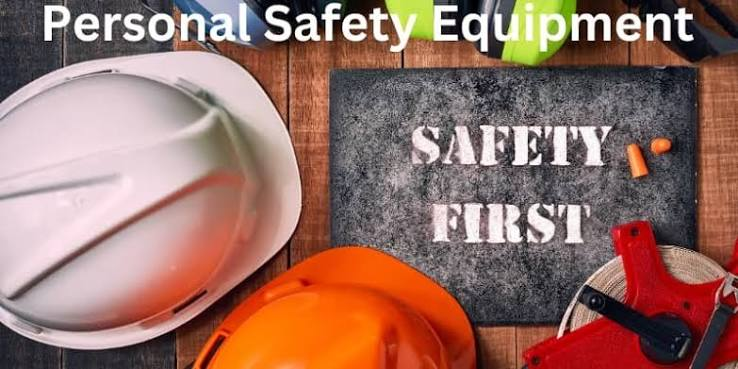
Examples of common safety equipment include:
- Safety helmets for head protection
- Protective gloves for hand safety
- Safety glasses for eye protection
- Work boots for foot protection
- High-visibility clothing for better visibility
- Respiratory protection equipment
- Hearing protection devices
- Fire safety equipment
A platform like BestSafetyEquipments.com helps users understand these products and make informed decisions based on their requirements. Instead of choosing equipment randomly, users can learn about features, materials, safety standards, and proper applications.
Why is BestSafetyEquipments.com Important?
Safety equipment is not just an optional investment; it is a necessary part of preventing workplace accidents and protecting human lives. Every industry has different risks, and using the correct protective gear can significantly reduce potential hazards.
BestSafetyEquipments.com is important because it helps users discover safety solutions that match their specific needs. Proper knowledge allows workers and organizations to select equipment that offers better protection and long-term value.
Some key reasons why safety equipment information is important include:
- Reducing workplace injuries and accidents
- Improving employee confidence and productivity
- Supporting compliance with safety requirements
- Protecting valuable health and resources
- Creating a safer working environment
Furthermore, choosing high-quality safety equipment saves money over time because durable products require fewer replacements and provide better protection.
Detailed Step-by-Step Guide to Choosing Safety Equipment
Step 1: Identify Your Safety Requirements
The first step is understanding the type of protection needed. Different environments have different risks. A construction worker may need helmets and protective boots, while an electrical worker may require specialized protective gear.
Before purchasing any safety product, consider:
- Workplace hazards
- Required protection level
- Industry standards
- User comfort requirements
Step 2: Select the Right Type of Equipment
After identifying risks, choose equipment designed specifically for those conditions.
For example:
- Use safety helmets for falling object protection
- Choose gloves based on the type of work
- Select protective eyewear for environments with dust or chemicals
- Wear suitable footwear for heavy-duty tasks
The right equipment should match the working conditions and provide maximum protection.
Step 3: Check Product Quality and Materials
Quality plays a major role in safety equipment performance. Low-quality products may fail when protection is needed most.
Important factors to check include:
- Material strength
- Product durability
- Comfort level
- Safety certifications
- Manufacturer reputation
High-quality materials usually provide better protection and longer usage.
Step 4: Focus on Comfort and Proper Fit
Safety equipment should not only be protective but also comfortable. Workers often wear protective gear for several hours, so proper fitting is essential.
Poorly fitted equipment can reduce effectiveness and create discomfort. Always choose products that allow movement while maintaining protection.
Step 5: Maintain and Replace Equipment Regularly
Even the best safety equipment requires proper maintenance. Regular inspection helps identify damage or wear before it becomes a safety problem.
Users should:
- Clean equipment properly
- Store products in safe conditions
- Check for damage regularly
- Replace outdated or damaged items
Benefits of BestSafetyEquipments.com
Using reliable safety equipment information provides several advantages:
- Helps users select suitable protective products
- Improves workplace safety awareness
- Reduces the chances of accidents
- Saves time during product selection
- Supports better purchasing decisions
- Provides knowledge about different safety categories
- Encourages proper equipment usage
A knowledgeable approach to safety equipment allows businesses and individuals to create safer environments.
Disadvantages / Risks
Although safety equipment provides protection, there can be some challenges if products are selected or used incorrectly.
Common risks include:
- Buying low-quality protective equipment
- Choosing the wrong product type
- Ignoring maintenance requirements
- Using damaged equipment
- Failing to train users properly
Safety equipment cannot provide complete protection if it is not selected, maintained, and used correctly.
Common Mistakes to Avoid
Many people make mistakes when purchasing or using safety products. Avoiding these errors can improve protection and reduce unnecessary costs.
Some common mistakes include:
- Choosing products only based on price
- Ignoring quality standards
- Not checking proper size and fitting
- Using equipment beyond its recommended lifespan
- Forgetting regular inspections
- Not understanding product limitations
Always research products carefully before making a decision.
FAQs
1. What is safety equipment?
Safety equipment includes protective tools and products designed to reduce the risk of injuries and accidents. These products protect different parts of the body from workplace hazards.
2. Why is safety equipment important?
Safety equipment is important because it helps prevent injuries, improves workplace protection, and creates a safer environment for employees and individuals.
3. How do I choose the right safety equipment?
Choose safety equipment by identifying workplace risks, understanding protection requirements, checking quality, and selecting products that fit properly.
4. Can safety equipment prevent all accidents?
Safety equipment reduces risks but cannot prevent every accident. Proper training, safe practices, and awareness are also necessary.
5. How often should safety equipment be replaced?
Replacement depends on product type, usage frequency, condition, and manufacturer recommendations. Damaged equipment should be replaced immediately.
6. What are the most common types of safety equipment?
Common types include helmets, gloves, safety glasses, protective clothing, boots, respiratory equipment, and emergency safety products.
Expert Tips & Bonus Points
Experts recommend focusing on quality, comfort, and proper usage when selecting safety equipment. The cheapest option is not always the best choice because protection should always come first.
Additional tips include:
- Train users on correct equipment usage
- Inspect products regularly
- Store equipment properly
- Choose products from trusted manufacturers
- Keep updated with safety requirements
Businesses should also create safety policies that encourage employees to use protective equipment consistently.
Conclusion
BestSafetyEquipments.com highlights the importance of choosing reliable and effective safety equipment for different environments. Whether you are a professional worker, business owner, or individual looking for personal protection, understanding safety products helps you make better decisions.
Safety equipment plays a vital role in preventing injuries and creating secure workplaces. From protective clothing and helmets to specialized safety tools, every product serves an important purpose. However, selecting the right equipment requires knowledge about risks, product quality, and proper usage.
By following a careful selection process, users can find safety solutions that provide comfort, durability, and protection. Avoiding common mistakes and maintaining equipment regularly also improves safety performance.
Investing in quality safety equipment is an investment in protection, productivity, and peace of mind. With proper awareness and responsible usage, individuals and organizations can build safer environments where everyone can work with greater confidence.