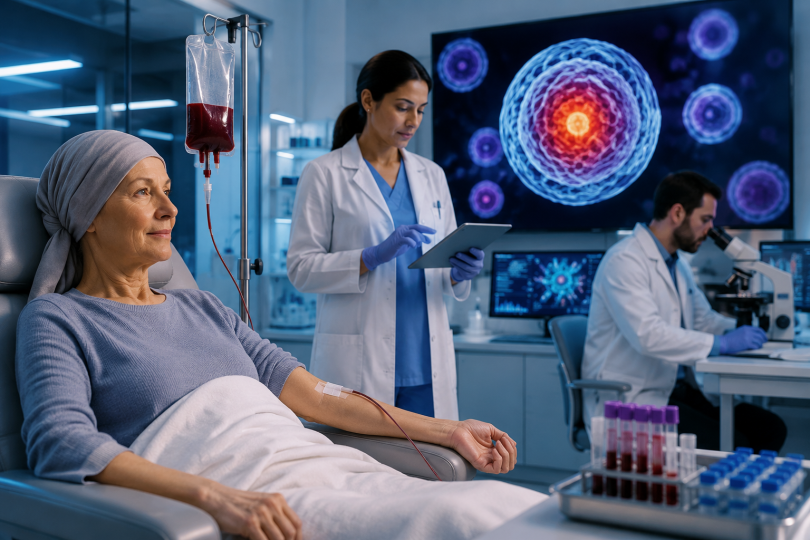

The medical landscape for treating complex blood cancers has undergone a profound transformation over the last decade. As oncologists move away from generalized treatments and toward highly personalized, precision-based cellular interventions, the survival rates for complex hematological malignancies continue to improve. One of the most significant advancements in this specialized field is the utilization of stem cell transplantation to combat aggressive or relapsing lymphatic cancers. For patients exploring their options, learning about the specifics ofStem Cell Lymphoma interventions is a crucial step in discovering how modern regenerative medicine can effectively target the root cause of the disease. Top-tier medical institutions worldwide, includingLiv Hospital, remain at the absolute forefront of integrating these advanced cellular procedures to restore health and optimize long-term patient outcomes.
The Biological Foundation of the Disease
To fully grasp how cellular therapies operate, one must first examine the pathology of the disease itself. Lymphoma is a form of cancer that originates in the lymphatic system, a vital component of the body’s immune network. It specifically affects lymphocytes, a type of white blood cell responsible for fighting infections. When these cells undergo a genetic mutation, they lose their natural lifespan instructions, multiplying uncontrollably and crowding out healthy cells.
Medical professionals broadly categorize the disease into two main types: Hodgkin Lymphoma and Non-Hodgkin Lymphoma. While Hodgkin Lymphoma is characterized by the presence of a specific abnormal cell known as the Reed-Sternberg cell, Non-Hodgkin Lymphoma encompasses a vast and diverse group of subtypes that vary widely in their growth rate. When these cancers become highly aggressive or fail to respond to standard first-line chemotherapy, oncologists must deploy much stronger, high-dose pharmacological regimens. However, these massive doses of chemotherapy are incredibly toxic to the patient’s bone marrow. This critical biological bottleneck is exactly where stem cell therapy becomes a life-saving necessity.
The Mechanism of Cellular Rescue
The primary objective of a stem cell transplant in this context is not necessarily the stem cells fighting the cancer directly, but rather serving as a biological rescue mechanism. To completely eradicate stubborn or relapsed lymphoma cells, the medical team must administer exceptionally high doses of chemotherapy or targeted radiation. These treatments successfully destroy the malignant cells, but they simultaneously wipe out the body’s bone marrow, completely stripping the patient of their ability to produce new blood cells and maintain an immune system.
By introducing healthy hematopoietic stem cells into the bloodstream following this intensive conditioning regimen, the patient’s bone marrow is effectively “rebooted.” These highly versatile precursor cells migrate directly into the bone cavities, where they take root and begin manufacturing fresh, healthy red blood cells, white blood cells, and platelets, ultimately rebuilding a pristine immune system from the ground up.
Selecting the Right Transplant Approach

Hematologists meticulously evaluate the patient’s specific cancer subtype, genetic markers, and overall health to determine the safest and most effective transplant method. There are two primary approaches utilized in modern oncology:
- Autologous Stem Cell Transplantation: This is the most common approach for treating this specific type of cancer. It utilizes the patient’s own biological material. Before the intensive chemotherapy begins, healthy stem cells are extracted from the patient’s peripheral blood, safely frozen, and stored. Once the disease is eradicated, the cells are thawed and re-infused. Because the cells belong to the patient, the risk of severe immune rejection is virtually eliminated.
- Allogeneic Stem Cell Transplantation: When the patient’s own bone marrow is heavily compromised or the cancer has specific high-risk genetic features, doctors will utilize stem cells from a matched healthy donor. This method carries higher risks of complications, such as graft-versus-host disease (GVHD), but it offers a unique advantage. The donor’s new immune cells may recognize any lingering cancer cells as foreign and actively attack them, a phenomenon scientifically referred to as the “graft-versus-lymphoma” effect.
The Step-by-Step Medical Procedure
The transplant protocol is a rigorous and highly synchronized medical endeavor. The process begins with stem cell harvesting, which is typically accomplished through apheresis—a sophisticated procedure that filters stem cells directly from the circulating blood after the administration of specific growth factors.
Once the healthy cells are secured, the patient enters the conditioning phase. This involves the administration of a potent chemotherapy regimen, frequently referred to as BEAM (Carmustine, Etoposide, Cytarabine, and Melphalan), designed specifically to destroy lymphatic malignancies. Following this intense treatment, the stem cells are infused back into the patient through a central venous catheter, a process that closely mirrors a standard blood transfusion.
The most delicate phase follows the infusion. Patients must remain in specialized, highly filtered hospital isolation units while they wait for “engraftment.” During these critical weeks, the newly introduced stem cells establish themselves and begin generating a new immune system. Medical staff provide around-the-clock monitoring, administering prophylactic antibiotics and necessary blood transfusions to protect the patient during this highly vulnerable window.
Long-Term Recovery and Survivorship
The journey extends far beyond the hospital discharge. Rebuilding an immune system after a profound medical intervention requires time, structured medical oversight, and highly specialized follow-up protocols. Because the intensive treatment frequently eliminates a patient’s prior immune memory, physicians typically coordinate a complete re-vaccination schedule once the new bone marrow stabilizes. Furthermore, long-term surveillance includes advanced imaging, such as PET-CT scans, to continuously monitor for any signs of relapse while actively managing the late effects of systemic chemotherapy. Through persistent monitoring and the continuous integration of advanced cellular science, modern medicine provides a highly targeted, profoundly effective pathway to sustained remission and improved quality of life.